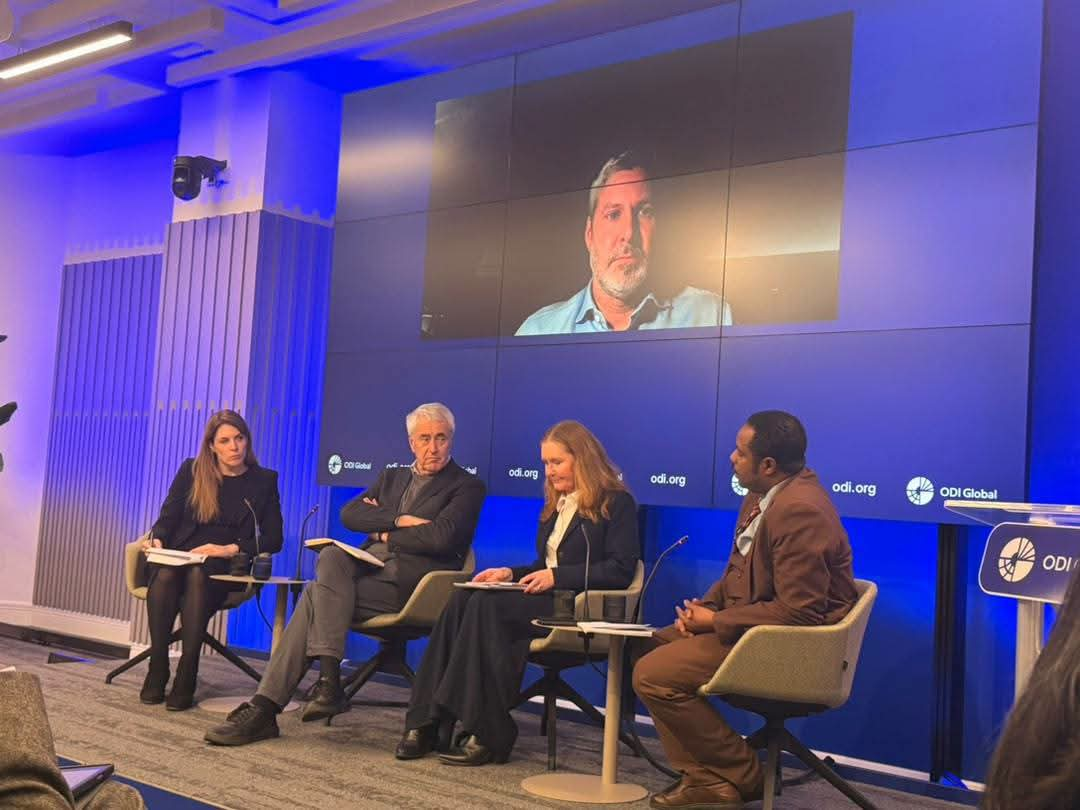
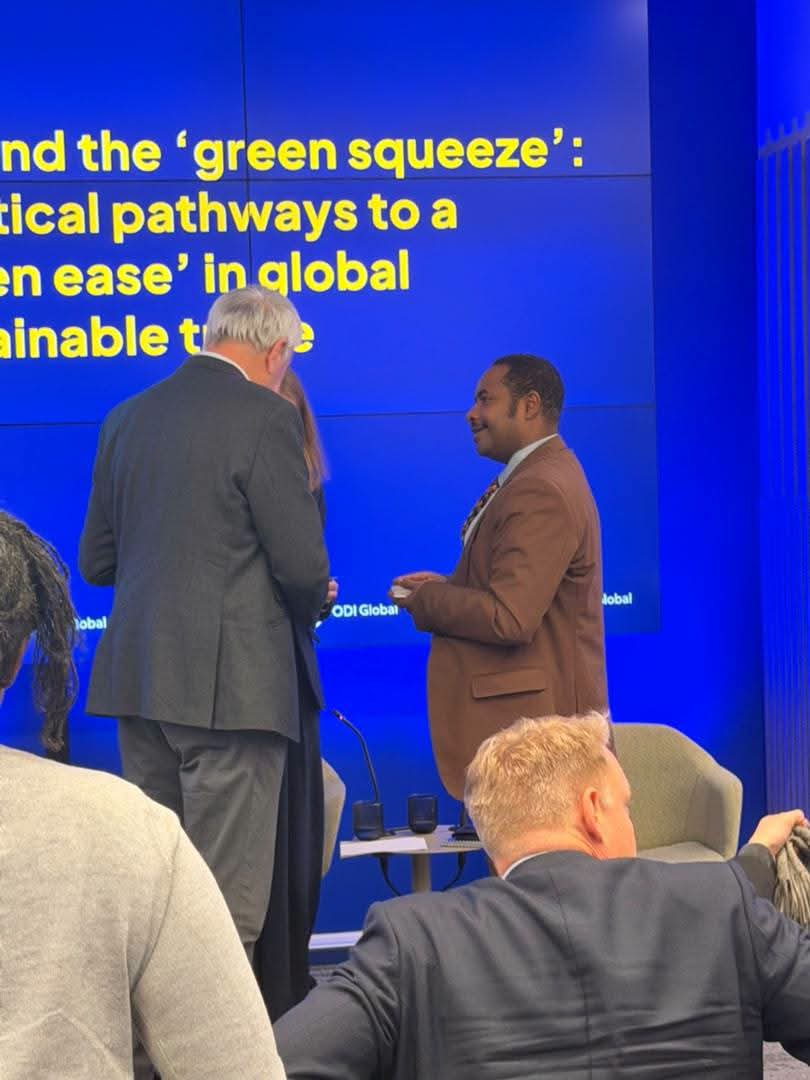
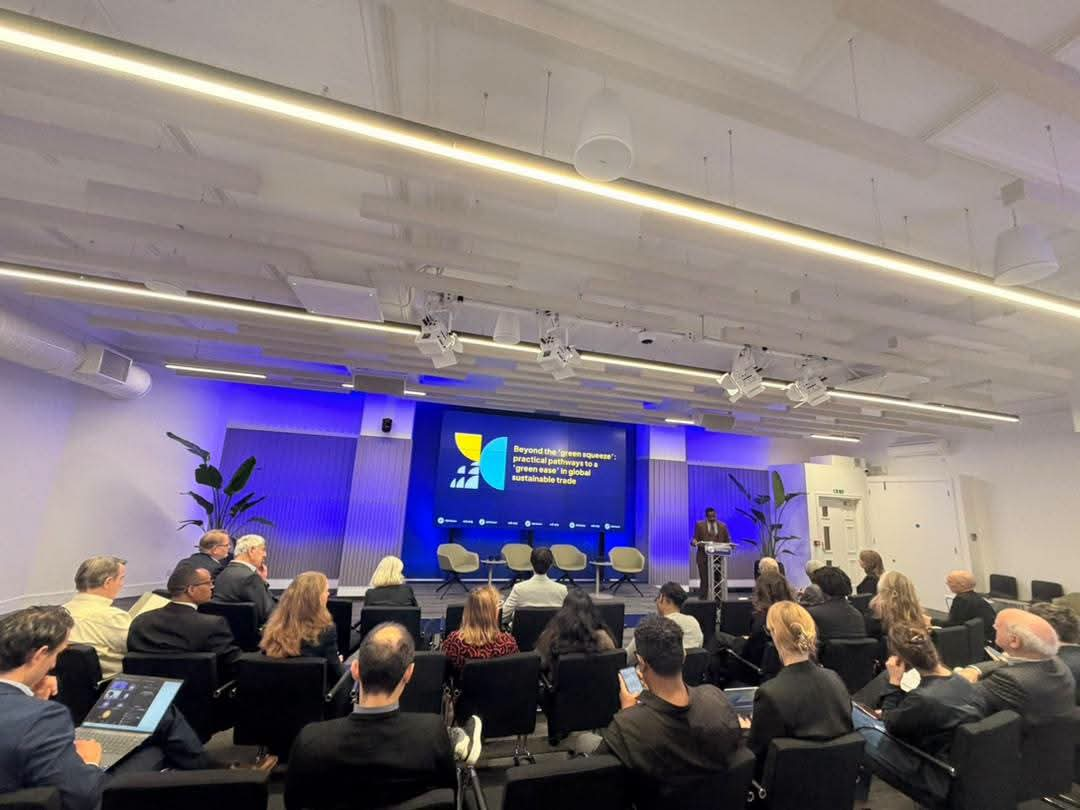
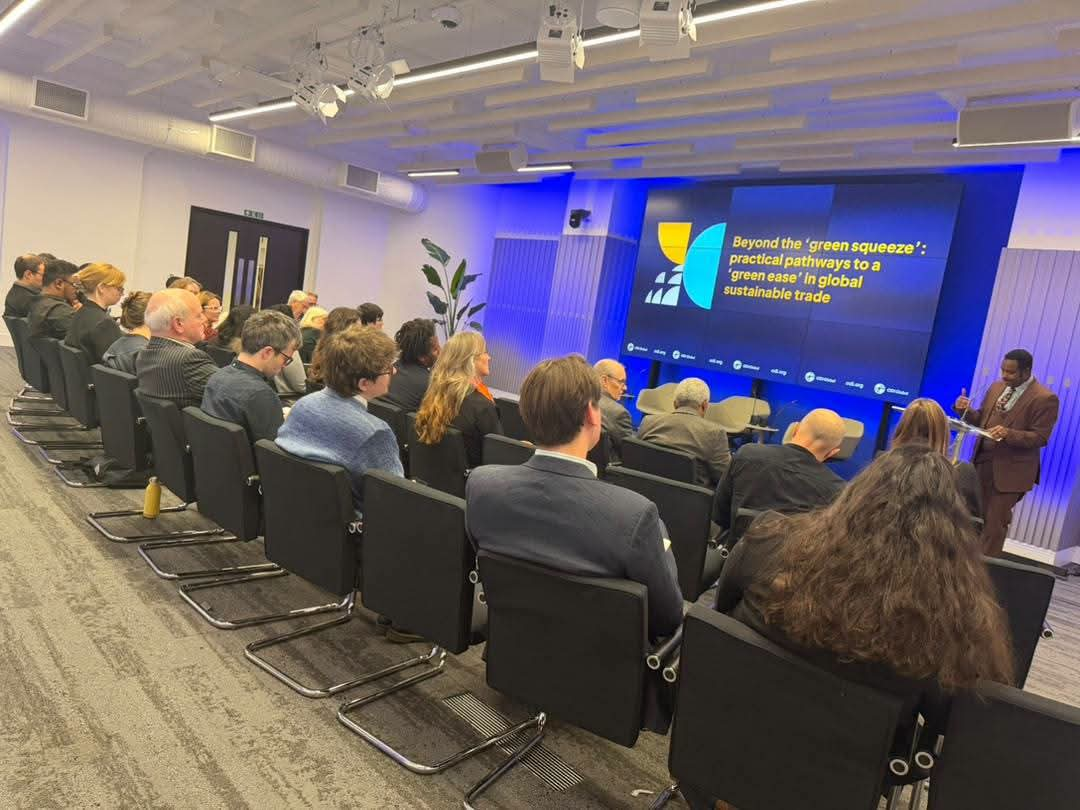
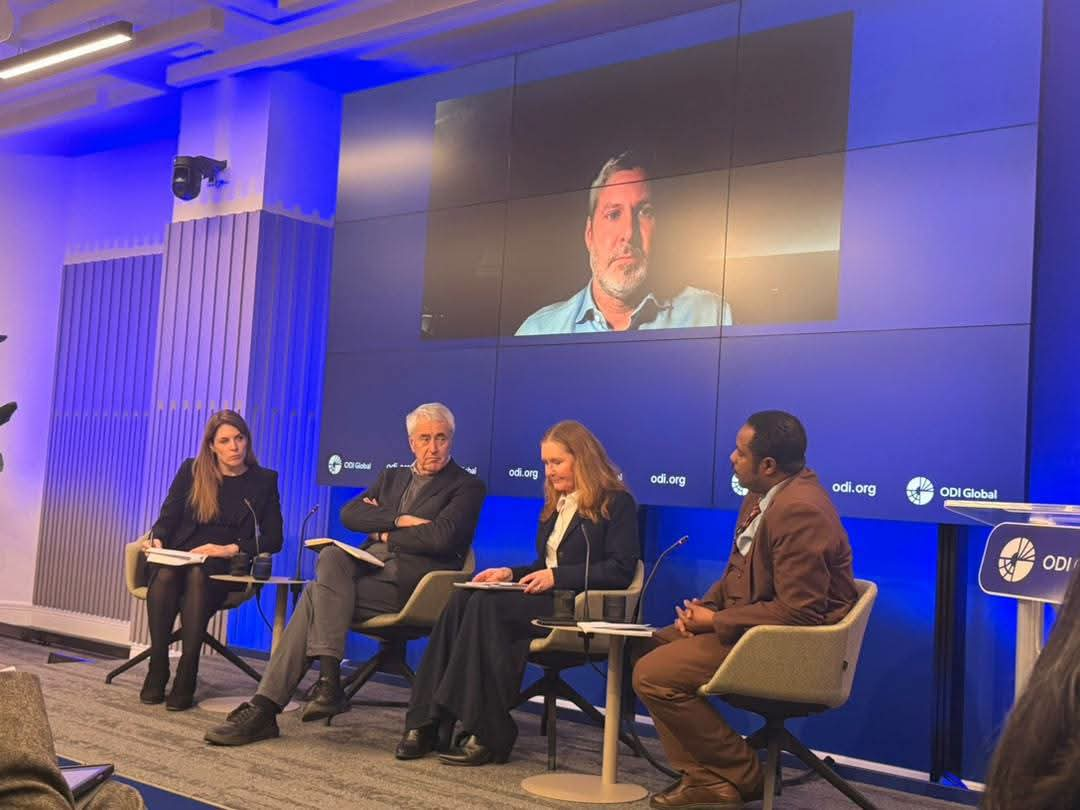
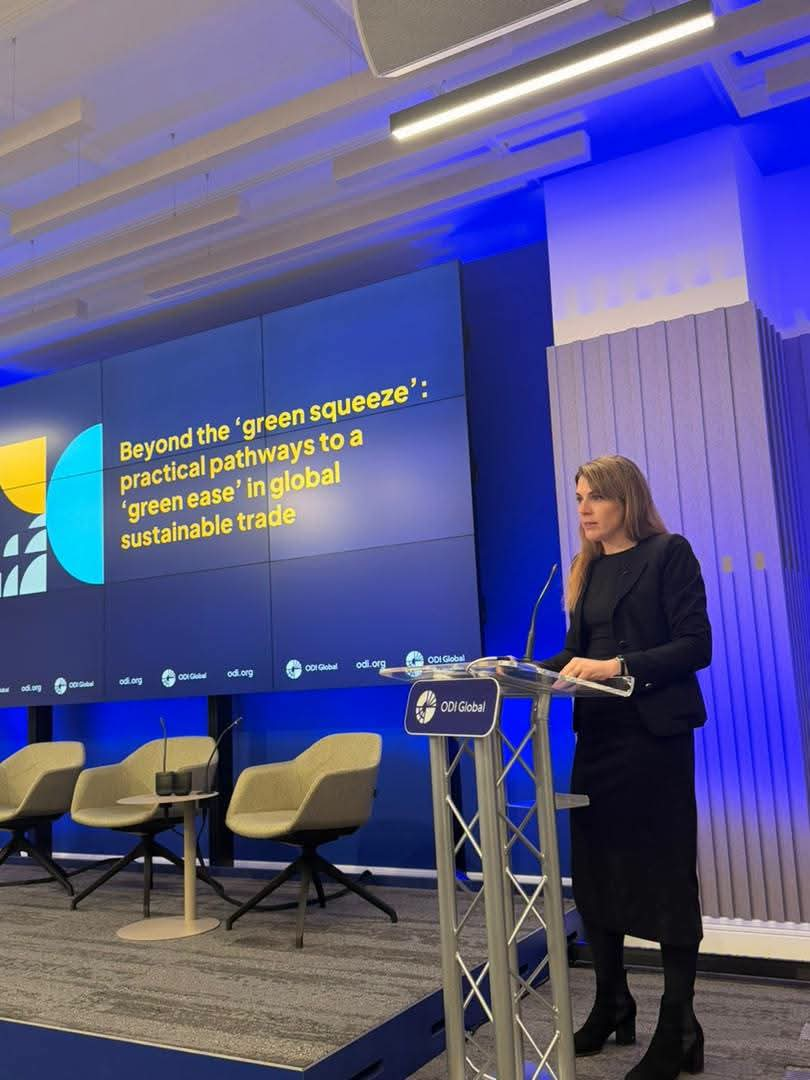
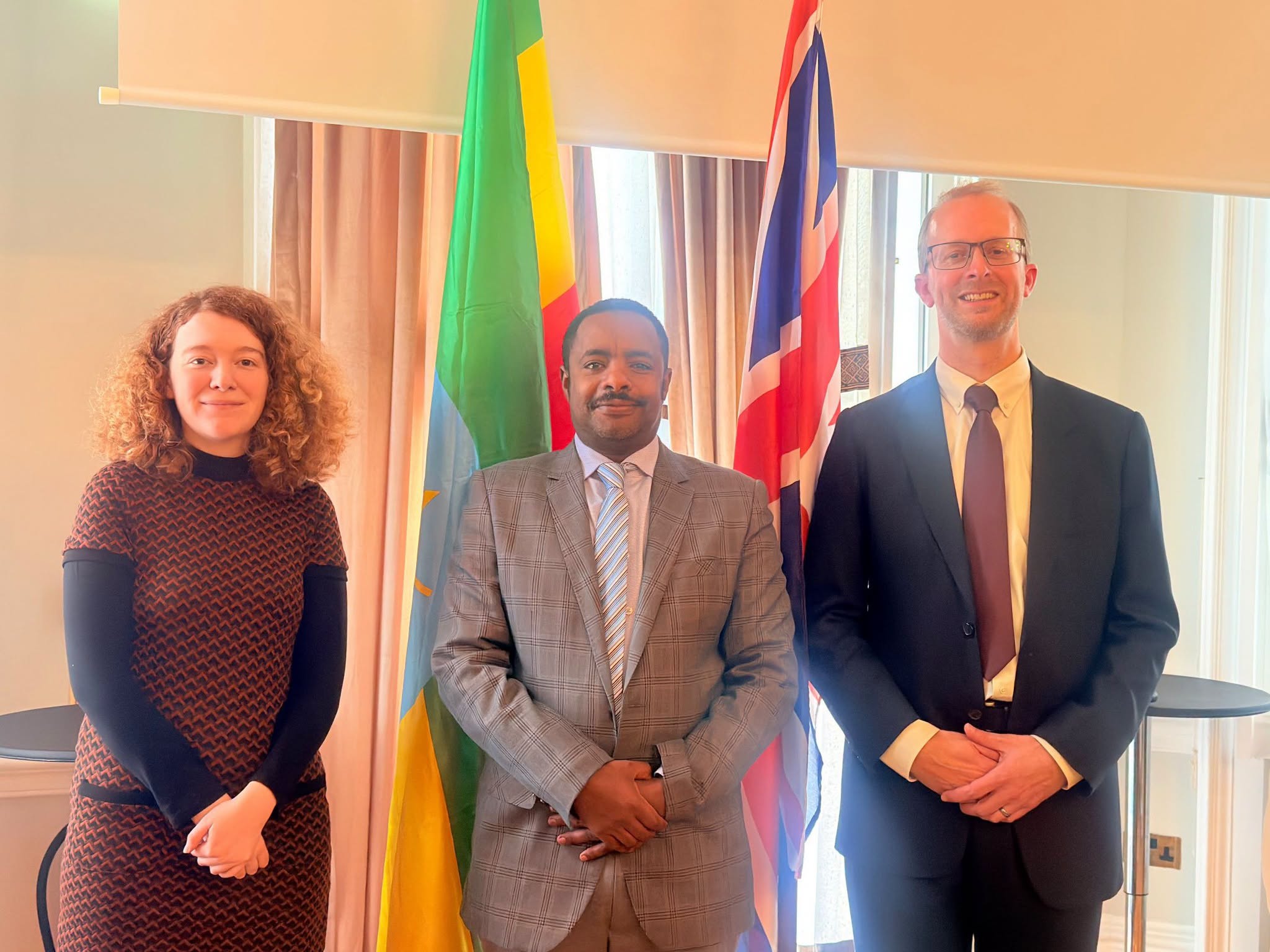
At an ODI Global discussion in London, H.E. Ambassador Lalisa Berhanu presented Ethiopia's position on the implications of the European Union Deforestation Regulation (EUDR) for Ethiopian coffee farmers and African exporters.
Ethiopia supports the global fight against deforestation. However, environmental ambition must not translate into economic exclusion. A farmer's inability to access geolocation technology, digital traceability or affordable compliance systems should not be confused with engagement in deforestation.
According to ODI Global research, up to 60% of Ethiopian smallholder coffee farmers could face exclusion from European trade under the compliance constraints examined.
Ethiopia's argument is that the responsibility for sustainable supply chains must be shared. Environmental requirements should be accompanied by accessible finance, technology transfer, technical assistance and investment in the infrastructure needed to meet them. Developing countries must also have a meaningful voice in shaping trade measures that directly affect their producers and economies.
Beyond market access, green trade should create opportunities for Africa to expand local processing, strengthen industrial capacity, develop regional value chains and retain greater economic value at home.
As Ethiopia prepares to host COP32 in Addis Ababa in 2027, its message is that environmental protection must advance alongside economic development. The green transition should open doors for developing countries, not create new barriers to their participation.
Ethiopia calls for a fairer, more inclusive model of sustainable trade built on shared responsibility, genuine partnership and equitable opportunities.
Biruk Mekonnen Office of the Prime Minister-Ethiopia The Ministry of Foreign Affairs of Ethiopia MFAEthiopia Amharic የውጭ ጉዳይ ሚኒስቴር Lalisa Berhanu British Embassy, Addis Ababa - UK in Ethiopia African Union
#Ethiopia #SustainableTrade #GreenTrade #EUDR #AfricanFarmers #ClimateJustice #COP32